Source Waterproof Jute Tote Bag for Travel, Shopping, and Beach
Compare 30 listings for waterproof jute tote bag options from verified suppliers. Buyers can evaluate features like water resistance, customization, and pricing to find the right bag for travel, shopping, or beach use; compare the available evidence and request quotations based on your requirements.
Key considerations
Products List


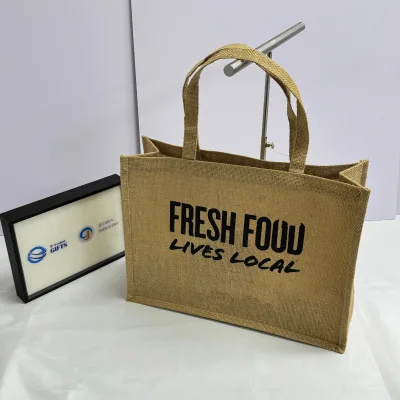


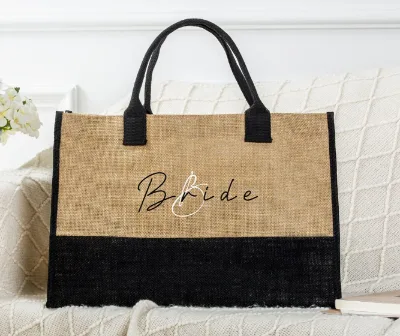


Comprehensive Sourcing Guide
Waterproof Jute Tote Bag Sourcing Guide
Sourcing waterproof jute tote bags requires careful navigation of material contradictions and functional expectations. While jute is a natural fiber known for breathability and eco-friendliness, it is inherently susceptible to moisture absorption. Buyers must distinguish between truly waterproof constructions and those that are merely water-resistant or treated with coatings. The observed market data indicates a significant variance in product attributes, with some listings explicitly stating "Non-Waterproof" while others claim "Water Resistant" features. This discrepancy necessitates rigorous verification of the actual material composition and finishing processes used by suppliers.
Procurement teams should prioritize suppliers who offer clear customization options for both material and functionality. The available product models, such as MBD25 and MBD58, suggest a range of structural possibilities, but the core material remains predominantly jute or jute-blend fabrics. Buyers need to confirm whether the "waterproof" claim refers to a laminated lining, a chemical treatment, or a separate inner bag. Understanding these technical distinctions is crucial for selecting the right product for specific use cases, whether for daily shopping, beach outings, or promotional giveaways where durability and moisture protection are critical.
Product Scope and Observed Listing Signals
The current market landscape for jute tote bags presents a diverse array of options, with observed prices ranging from $0.27 to $5.20 USD. This wide price band reflects variations in material quality, handle construction, and customization complexity. Most listings indicate a minimum order quantity (MOQ) between 300 and 1000 pieces, with some suppliers setting a standard MOQ of 1000 PCS. Buyers should note that lower prices often correlate with basic designs, such as solid colors and standard cotton or PP webbing handles, while higher price points may include embroidery, custom logos, or specialized waterproof linings.
Product attributes vary significantly across listings, with some items described as "Lady, Fashion" style and others as "Leisure" or "Unisex" applications. The observed dimensions, such as 403014cm, provide a baseline for size expectations, but many suppliers offer custom dimensions to meet specific requirement. It is essential to verify the "Hardness" and "Shape" attributes, as some bags are structured with square bases while others are soft and unstructured. Buyers must carefully review the "Decoration" and "Closure Type" details, as open closures and simple embroidery may not provide the security or aesthetic appeal required for premium branding campaigns.
Technical Specifications to Verify
Technical verification must begin with the material composition, as many suppliers list "Jute / Canvas / Jute Non Woven Fabric" as options. Buyers should request physical samples to assess the GSM weight, which typically ranges from 9 to 220 GSM in the observed data. Heavier GSM values generally indicate greater durability and better resistance to tearing, which is vital for tote bags intended for heavy loads. Additionally, the "Technics" are predominantly woven, but the weave density and thread quality can vary. Confirming the yarn count and weave structure helps ensure the bag can withstand repeated use without fraying or losing its shape.
The waterproofing mechanism requires explicit clarification, as the term is often used loosely. Buyers must determine if the bag features a laminated inner lining, such as PE or PVC, or if it relies on a water-resistant coating. The observed data includes "Lining: jute," which suggests that some bags may not have a synthetic waterproof barrier. If true waterproofing is required, buyers should insist on specifications detailing the lining material and its thickness. Furthermore, the handle construction, whether cotton or PP webbing, should be tested for tensile strength and attachment security, as these are common failure points in heavy-duty tote bags.
Compliance and Safety Documentation
Compliance documentation is critical for ensuring that jute tote bags meet international safety and environmental standards. Buyers should request certificates of conformity and material safety data sheets, particularly if the bags are intended for use in regions with strict chemical regulations. While some listings mention GOTS certification, this is a low-confidence attribute and must be verified independently. Buyers must confirm whether the jute fibers and any synthetic linings or coatings are free from harmful substances like heavy metals, phthalates, or formaldehyde.
Environmental claims, such as "Eco-Friendly," "Reusable," and "Recycled," require substantiation through credible certifications. Buyers should ask for proof of sustainable sourcing for the jute and any recycled content in the linings or handles. Additionally, if the bags are printed with logos, buyers must verify that the inks used are non-toxic and compliant with relevant printing standards. Ensuring that the supplier adheres to ethical labor practices and environmental management systems is also important for maintaining brand integrity and meeting corporate social responsibility goals.
Cost Drivers and Commercial Terms
Cost drivers for jute tote bags include material selection, customization complexity, and order volume. The observed price range of $0.27 to $5.20 USD reflects these variables, with higher costs associated with custom colors, embroidery, and specialized waterproof linings. Buyers should negotiate based on the total order quantity, as larger volumes often yield better unit prices. It is also important to consider the cost of samples, which typically take 4 to 8 days to produce, and the lead time for bulk production, which ranges from 25 to 30 days.
Commercial terms should be clearly defined in the purchase agreement, including payment conditions and shipping responsibilities. The observed data indicates a common payment structure of 30% before production and 70% before shipment. Buyers should ensure that this aligns with their internal financial policies and risk management strategies. Additionally, clarify who is responsible for shipping costs and insurance, especially if the bags are being imported from Zhejiang, China. Understanding these financial terms helps in accurate budgeting and avoids unexpected expenses during the procurement process.
Supplier Qualification and Quality Control
Supplier qualification involves assessing their manufacturing capabilities, quality control processes, and track record. Buyers should verify the supplier's production capacity and ability to meet the required MOQ and lead times. Requesting references from previous clients and reviewing their product portfolios can provide insights into their reliability and consistency. It is also important to check for any certifications or audits that demonstrate their commitment to quality and ethical manufacturing practices.
Quality control measures should be established before production begins, including clear specifications for materials, dimensions, and finishing. Buyers should consider implementing pre-production sample approvals and in-line inspections to catch defects early. Final random inspections based on AQL standards are recommended to ensure that the delivered goods meet the agreed-upon quality levels. Establishing a robust quality control process helps minimize the risk of receiving substandard products and ensures that the jute tote bags meet the brand's expectations for durability and appearance.
Long-Term Procurement Checks
Long-term procurement checks focus on maintaining supplier performance and adapting to market changes. Regular audits and performance reviews should be conducted to ensure that the supplier continues to meet quality, delivery, and cost expectations. Buyers should also monitor market trends for new materials and technologies that could improve the functionality or sustainability of jute tote bags. Staying informed about these developments allows for proactive adjustments to sourcing strategies and product designs.
Building a strong relationship with the supplier is essential for long-term success. Open communication and collaboration can lead to better problem-solving and innovation. Buyers should provide feedback on product performance and customer responses to help the supplier improve their offerings. Additionally, diversifying the supplier base can mitigate risks associated with single-source dependencies. By maintaining a strategic approach to supplier management, buyers can ensure a steady supply of high-quality jute tote bags that meet their evolving business needs.
FAQs
Can I customize the waterproof jute tote bag with my logo?
Yes, customization is available for these bags, including logo printing and custom colors. You can specify your design requirements, and the supplier will handle the embroidery or printing. This allows you to create branded promotional items or unique gift packaging that aligns with your brand identity and marketing goals.
What is the typical lead time for ordering these jute bags?
The standard lead time is 25 to 30 days after order confirmation. Sample production typically takes 4 to 8 days. These timelines allow for proper manufacturing and quality checks. Please confirm specific dates with your supplier, as peak seasons or complex customizations may slightly extend the delivery schedule for your bulk order.
What is the minimum order quantity for custom jute tote bags?
The minimum order quantity is generally 1000 pieces. This MOQ applies to standard and customized orders. Buyers should verify if the supplier offers lower MOQs for sample testing or specific stock items. Meeting this quantity ensures cost-effective production and allows for efficient manufacturing processes while maintaining quality standards for your bulk purchase.
Are these jute bags waterproof or water resistant?
These bags are described as water resistant rather than fully waterproof. They feature arming and disarming capabilities and are made from jute or canvas materials. While they offer some protection against light moisture, they are not suitable for heavy rain. Use them for daily, travel, or beach applications where moderate weather exposure is expected.
What materials are used to make these tote bags?
The bags are primarily made from jute, canvas, or jute non-woven fabric. They often feature cotton or PP webbing handles and a jute lining. These materials provide durability and an eco-friendly appeal. The soft hardness and square shape make them suitable for carrying cosmetics, jewelry, gifts, or arts and crafts items effectively.
How much does it cost to produce a sample of this bag?
Sample costs vary based on customization and material choices. The listed price range for products is 0.27 to 5.2 USD, but samples may differ. Suppliers typically require payment before production. Contact the vendor for a precise sample quote, including shipping fees, to evaluate quality and design accuracy before committing to a large bulk order.